
Checking Criminal History in Montgomery County
A complete Montgomery County record check starts by choosing the custodian that created the record. The District Clerk keeps felony cases, the County Clerk keeps Class A and B misdemeanor cases, city and justice courts keep many fine-only matters, and the Montgomery County Sheriff's Office keeps its reports and jail bookings. Texas DPS adds a person-based state record. No one search replaces the others.
Gather the legal name, spelling variants, an approximate event date, and a case, citation, incident, or booking number when one is known. Those details reduce false matches and help a clerk find an older file. Follow the sequence that fits the question:
- Search both Montgomery County Odyssey systems, using a case number first or a party name when the number is unknown.
- Check the correct municipal or justice court when the matter may be a fine-only citation or city warrant.
- Use the MCSO roster for present county custody, then ask the arresting agency for its report.
- Compare local results with the DPS name search, or use fingerprints to review your own Texas record.
- Order the judgment or a certified copy from the correct clerk when the result must show the official outcome.
Montgomery County's Two Criminal Portals
Montgomery County divides criminal court records by offense level. The District Clerk Odyssey inquiry covers felony cases in the district courts. A separate County Clerk Odyssey inquiry covers Class A and B misdemeanor filings in the County Courts at Law. Searching just one system can produce a false sense that no case exists. Municipal and justice court matters add a third layer because fine-only cases may never appear in either county portal.
Both Odyssey systems allow routes based on a case, party, attorney, or court calendar. A case number is the best key. Name searches benefit from a filing-date range and the correct criminal-record location. The result can show the court, filing date, parties, charges, hearings, docket events, outcome, and some financial entries. A public index is not a certified judgment, and not every filed document has a free image.
| Odyssey control | Use | Search note |
|---|---|---|
| Location | Select Criminal Records | District and County sites are separate |
| Search type | Case, party, attorney, or calendar | Pick the route that matches the known fact |
| Case number | Most precise identifier | Keep the punctuation shown on the notice |
| Party name | Broader name lookup | Try spelling variants and add a date range |
| Case type or status | Narrows results | Options vary with the selected system |
Texas Official Background Checks
The Texas Department of Public Safety Crime Records Division maintains the statewide Computerized Criminal History repository. Its public name product returns disseminable Texas convictions and deferred adjudications reported to DPS. It is narrower than a full fingerprint record and may not show a local arrest, dismissal, sealed matter, or event whose disposition has not reached the repository. A search costs one credit, and each credit costs $1. Card purchases add 2.25% per credit and a $0.25 transaction fee.
The DPS search instructions explain account credits and matching. The captured Montgomery County criminal-history source image shows the state product's help channel.

Name matches can join similar identities or miss an entry. Confirm the person against more than a name, then compare the DPS result with the proper Montgomery County court record.
| Official product | What it answers | Cost found |
|---|---|---|
| DPS public name search | Public Texas convictions and deferred adjudications | $1 credit plus card charges |
| DPS offline name check | State public name-check channel | $10 |
| DPS personal fingerprint review | Your identity-based Texas record | $15 DPS plus $10 FAST |
| Fingerprint hard cards | Two cards without a record check | $20 at FAST |
| Montgomery County Odyssey | Local court dockets | Free public inquiry |
The FBI Electronic Departmental Order source is the separate route for a person to request their own national Identity History Summary.
An FBI summary is not a public name search and does not replace either Montgomery County Odyssey portal or the Texas DPS review.
When Montgomery County Records Disagree
Different results often reflect timing and purpose, not a single bad database. An officer records the arrest. The jail records intake and an initial charge. A prosecutor may file a different count or decline the case. The clerk then records hearings and the final outcome. DPS depends on fingerprint and disposition reports sent through that chain. A recent dismissal can reach Odyssey before the state entry changes.
For your own record, start with a fingerprint review and compare each arrest cycle to the local judgment. The official FAST appointment portal supplies current appointment choices and service instructions.
The scheduler selects a current site by ZIP, so no fixed Montgomery County storefront or hours should be assumed. When a disposition is missing, obtain certified court material and use the DPS correction process. A change in Odyssey does not by itself update every agency.
The DPS Crime Records services page describes the official state channels used in that correction path.
Keep the local case number, the state tracking details, and certified outcome together when asking a custodian to resolve a mismatch.
Note: A blank public name result does not prove that no local, restricted, delayed, or non-conviction record exists.
Criminal Record Types
Montgomery County criminal records describe separate acts in the justice process. An incident report belongs to the agency that investigated the call. An arrest report states the asserted basis for custody. The jail adds booking data. The prosecutor files a complaint, information, or seeks an indictment. The clerk maintains the court file and judgment. DPS compiles fingerprint-supported state events subject to Texas disclosure limits.
- Booking record
- The MCSO jail intake entry, including booking time, initial charges, bond lines, custody status, and identifiers released by law.
- Court case file
- The numbered clerk record containing filed charges, events, motions, settings, orders, disposition, judgment, and sentence.
- Capias
- A court command to arrest, often issued after a case or payment event rather than at the start of an investigation.
- Deferred adjudication
- A plea followed by supervision while the court delays a final finding of guilt; Texas may publicly disseminate it unless restricted.
- Nondisclosure
- A Texas order that limits ordinary public disclosure of an eligible record without destroying every agency copy.
Three Montgomery County Criminal Records
A sheriff report, a jail booking, and a court case may arise from the same event, yet each answers a different question. MCSO or a city police department holds the narrative it created. The Montgomery County Jail holds custody and booking information. The District Clerk or County Clerk holds the filed prosecution. Ask the source agency for the exact product rather than sending one broad request to every office.
MCSO Warrants and Records works at 1 Criminal Justice Drive in Conroe and answers 936-760-5883. The District Clerk counter is at 501 N. Thompson Street, Suite 105, with phone 936-539-7855. The County Clerk is at 210 W. Davis Street and routes calls through 936-539-7885. Confirm the precise counter before travel because county court work spans several downtown buildings.
For an MCSO report, a written request may be sent without using the optional sheriff information form. Include the case number, date, incident type, location, names, and a clear description. Ask for email, pickup, or mail delivery. Files may be redacted for active-investigation, juvenile, victim, driver, medical, or other protected information. Police reports created by Conroe, Willis, or Shenandoah must go to that city even if MCSO later booked the person.
Inside a Montgomery County Criminal Record
Read a Montgomery County record in context. A person-centered DPS history groups identifiers, arrest cycles, tracking numbers, charges, reported outcomes, and sentence data. Odyssey starts with a court and case number. The jail roster starts with a booking. The format tells the reader which stage and custodian produced the information.
| Name and identifiers | Legal name, aliases, date-of-birth data where lawfully shown, and agency or state identifiers. |
|---|---|
| Arrest and booking | Date, arresting agency, booking number, asserted charges, custody status, and bond information. |
| Filed charges | Complaint, information, or indictment counts, offense descriptions, class or degree, and statute when entered. |
| Docket events | Settings, motions, pleas, trial activity, warrants, orders, and attorney appearances. |
| Disposition | Conviction, dismissal, acquittal, deferred adjudication, or another outcome for each count. |
| Sentence and custody | Fines, confinement, community supervision, release, or transfer details held by the proper agency. |
“Disposed” means the court entered an outcome. It does not always mean convicted. Open the disposition line or request the judgment before drawing a conclusion.
Montgomery County Jail Booking Records
The official MCSO inmate roster returned to the web and sheriff mobile app in 2026. Search it by last name, add a first name when useful, or use the booking number for the most precise match. A profile may show booking time, arresting agency, custody location, charge and court references, bond terms, and release information. It is a current-custody tool, not a full arrest-history archive.
A person can leave the roster after release or transfer. Call MCSO when the portal fails, request the booking record under the Texas Public Information Act, use Texas VINE for custody notices, or search the TDCJ locator after a state-prison transfer. No separate stable official daily booking archive was located. The Texas Board of Pardons and Paroles forms a distinct state release layer. The Texas court-access rules source shows the separate judicial framework.
This captured rules source reinforces that court access and jail custody remain distinct official systems. Initial booking charges are allegations and can change after prosecutor review.
Public Access Laws in Texas
Texas law opens many existing government records while protecting defined categories. The Texas Public Information Act applies to agency records, but courts also administer judicial files under court access rules. A public request should describe records that exist. An office does not have to answer questions or create a new analysis. Certified proof comes from the clerk, not a web screenshot.
Key Texas laws:
Government Code Chapter 552 permits access to public agency records while allowing law-enforcement and privacy redactions.
Government Code Chapter 411 controls criminal-history dissemination and authorizes DPS public conviction information.
Code of Criminal Procedure Chapter 66 governs reporting among arresting agencies, prosecutors, courts, and custodians.
Code of Criminal Procedure Chapter 55A sets the current Texas expunction framework.
The Texas punishment-class source shows why the offense level determines which Montgomery County clerk holds a filed case.
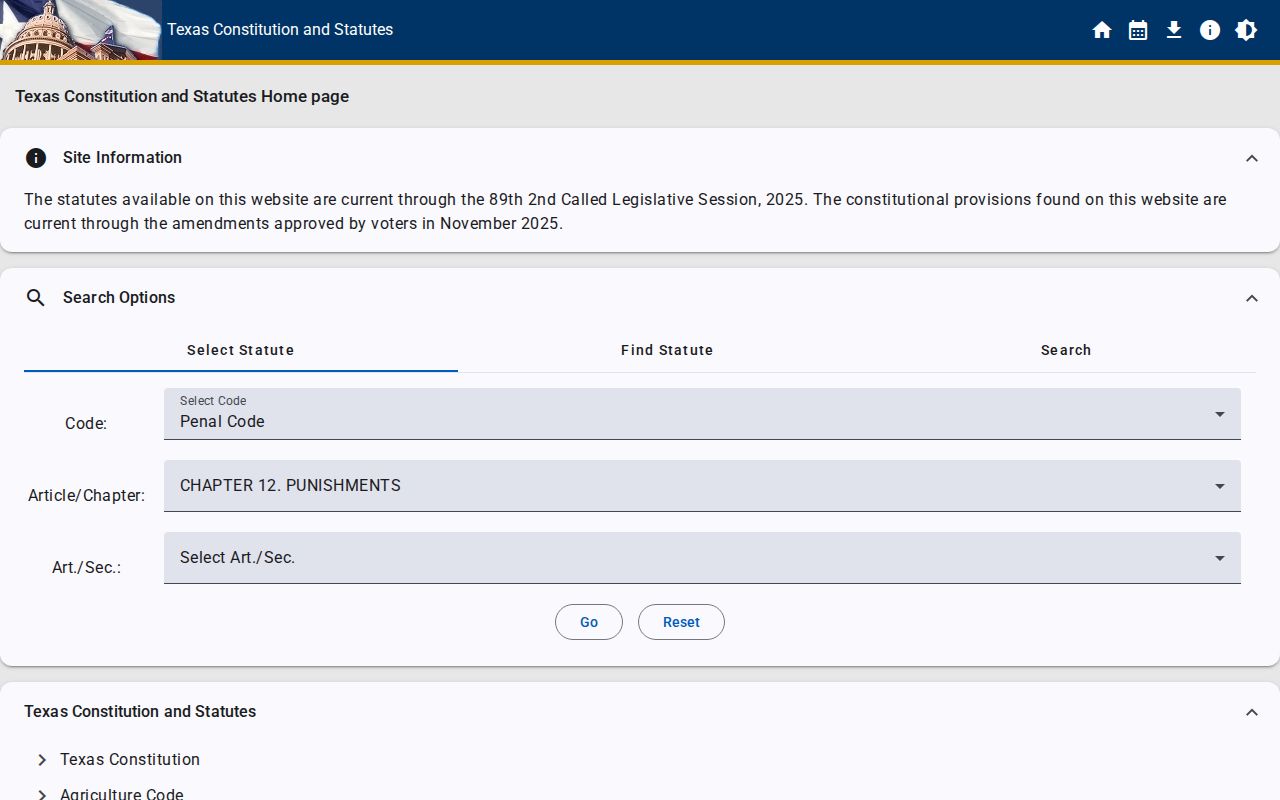
Felonies route to district court, Class A and B misdemeanors to County Courts at Law, and fine-only Class C cases usually remain with municipal or justice courts.
Montgomery County Warrant Records
No dependable official countywide MCSO warrant-name portal was found. Use the direct chain instead: call Warrants and Records at 936-760-5883, contact the issuing court, review related public Odyssey events, or submit a written MCSO request. Conroe's court portal searches by citation number. Willis and Shenandoah may require a municipal clerk call. Justice-court warrants stay with the relevant precinct.
An arrest warrant begins custody, while a bench warrant or capias often follows a missed setting or court order. A capias pro fine enforces a fine judgment. Search warrants can remain sealed during an investigation. Anyone trying to resolve their own warrant should ask the issuing court for written instructions and confirm that the warrant was recalled after compliance. Database timing makes screenshots unsafe as final proof.
Note: A sealed, juvenile, recalled, or newly cleared warrant may not appear in an otherwise accurate public search.
Sealed, Expunged, and Restricted Records
Juvenile files, victim identifiers, full Social Security numbers, protected driver data, sealed documents, and parts of active police files do not belong in ordinary public results. Texas expunction and nondisclosure are also different. Expunction under Chapter 55A generally directs named agencies to return or destroy eligible records. Nondisclosure limits ordinary public release of eligible information but preserves access for criminal-justice agencies and certain entities named by law.
Eligibility cannot be decided from a docket word such as “dismissed.” The full arrest transaction, related charges, limitations period, final judgment, supervision, and prior history may matter. File through the court with jurisdiction: the District Clerk for felony matters, the County Clerk for county misdemeanors, or the municipal court for its case when the statute applies. Name every custodian that holds the record, including DPS, the arresting agency, jail, prosecutor, clerk, and supervision office.
The Texas criminal-record restriction source also documents what registry information law permits DPS to publish.
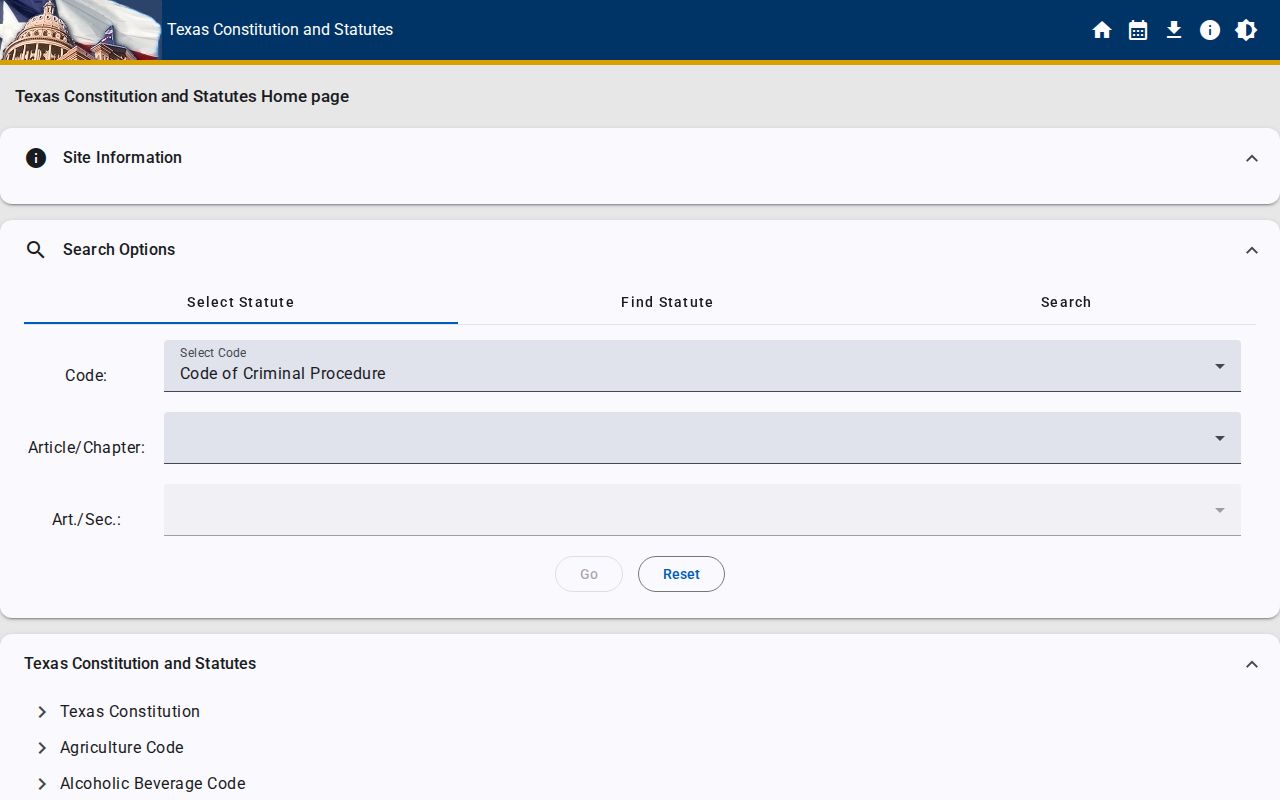
After an order is signed and processed, verify the result in both Odyssey systems and through a fingerprint self-review. A remaining entry should be addressed with the certified order and that agency's correction channel.
Montgomery County Supervision Records
Community supervision and parole are not the same record. The Montgomery County Community Supervision and Corrections Department supervises local adult felony and misdemeanor probation, including deferred-adjudication matters assigned by the courts. The public court judgment and later motions can appear in Odyssey, but officer notes, treatment details, and safety information are not a general public roster. The CARE Drug and DWI Courts provide a named local alternative docket; the county directory lists 936-538-8003 for that program.
The Texas Board of Pardons and Paroles makes state release decisions, while the TDCJ Parole Division supervises people released from prison. TDCJ inmate data and Texas VINE can show separate custody or notice information. A violation entry may concern a technical condition or a new accusation. Read the related court or hearing outcome before treating it as a new conviction.
Federal Criminal Records in Montgomery County
Federal cases do not appear as a substitute docket in Montgomery County Odyssey. The county lies in the Southern District of Texas, Houston Division, and federal criminal dockets are filed through PACER. A PACER account is required, and the service applies its current fee schedule. The FBI identity-history channel is for a person seeking their own federal index summary. The Bureau of Prisons locator covers federal prisoners rather than MCSO or TDCJ custody.
The official PACER source is the starting point for a federal docket.
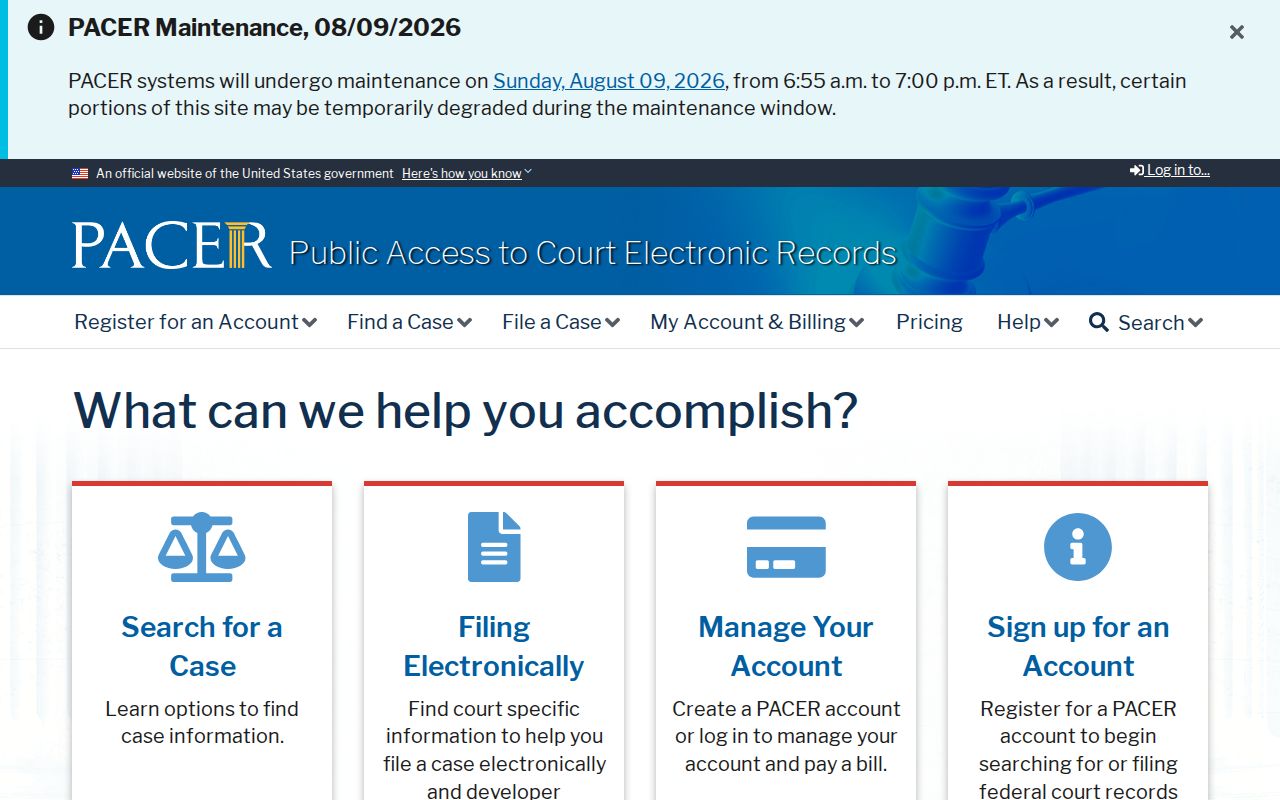
PACER identifies filed federal documents, while a county clerk can certify only the local case in that clerk's custody.
The Southern District of Texas source identifies the federal court serving Montgomery County.
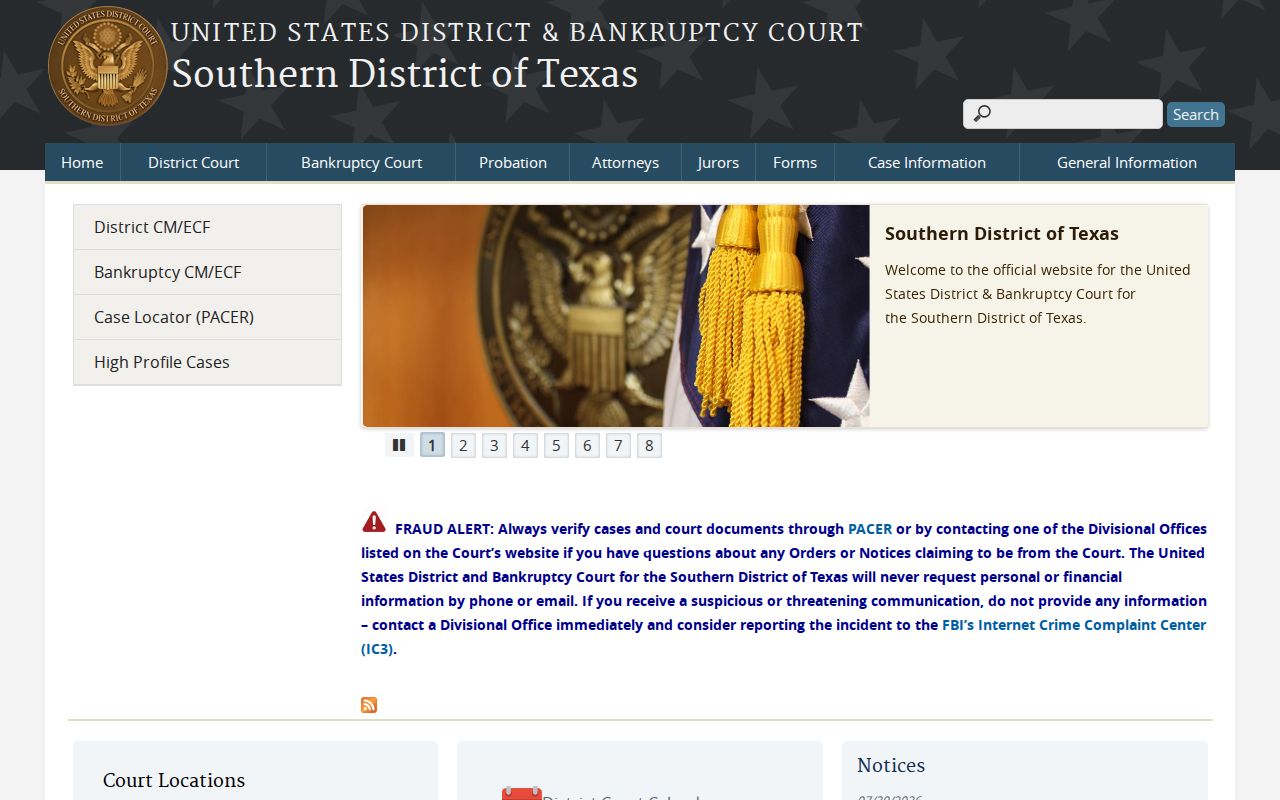
Use this court layer only for federal conduct or a federal prosecution. Local arrest and prosecution records remain with local agencies and clerks.
The Texas Attorney General public-records source explains the separate state request process.
That process applies to agency records under state law and should not be confused with PACER or a court clerk's judicial-record rules.
Montgomery County Criminal Records by City
City police departments keep the reports they create, and municipal courts keep their own fine-only cases. Conroe, Willis, and Shenandoah are the three largest incorporated cities in the county by the consistent 2020 Census ranking used for these pages. The Woodlands is larger than the small cities in everyday recognition, but it is not incorporated and has no ordinary city police department or municipal court. Its calls route through county and constable channels.
The Census incorporated-place source supports the ranked city set.
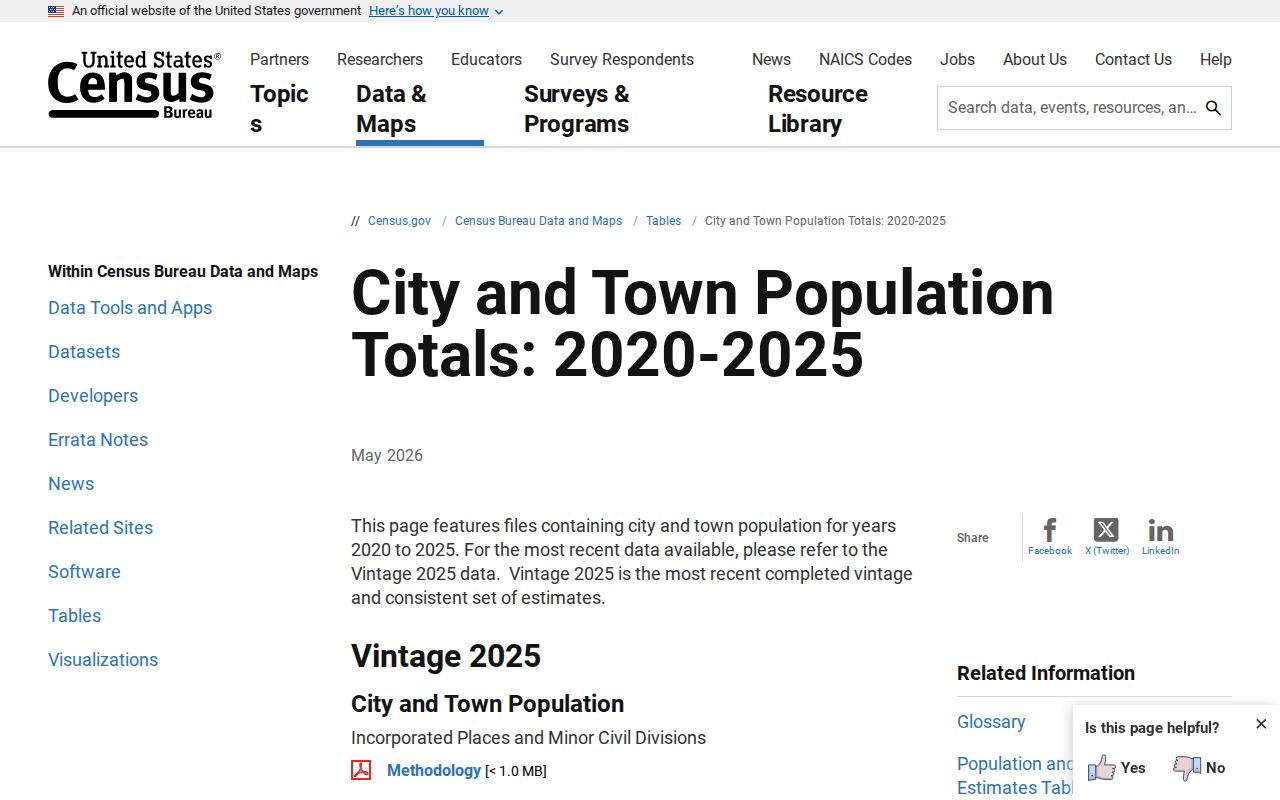
The three city records paths differ, particularly for municipal court search and police public-information requests.
Conroe Criminal Records
89,956 in the 2020 Census · CPD reports and a citation-number municipal court search.
Willis Criminal Records
6,431 in the 2020 Census · Willis PD Records Division and a municipal clerk fallback.
Shenandoah Criminal Records
3,499 in the 2020 Census · A police-specific request portal plus mail, fax, and hand delivery.